
What industries rely heavily on PCB printed circuit board assembly?
PCB printed circuit board assembly
Printed Circuit Boards (PCBs) are the unsung heroes of modern technology, quietly powering the devices and systems we rely on daily. Their importance is paramount across a plethora of industries, where efficiency, reliability, and miniaturization are key. From consumer electronics to aerospace, PCB assembly forms the backbone of countless products and innovations.
The consumer electronics industry stands out as one of the most prominent users of pcb printed circuit board assembly. Smartphones, laptops, televisions, and gaming consoles all rely heavily on PCBs to function efficiently. With the constant demand for smaller and more powerful devices, PCB assembly techniques have evolved to accommodate the shrinking form factors without compromising performance.
The automotive sector has also embraced PCB assembly with open arms. Modern vehicles are equipped with an array of electronic systems, from engine control units to infotainment systems, all interconnected through PCBs. These boards ensure seamless communication between various components, contributing to enhanced safety, performance, and fuel efficiency.
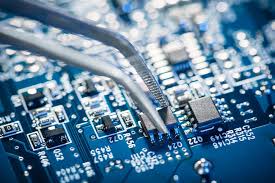
What industries rely heavily on PCB printed circuit board assembly?
Medical devices have witnessed a revolution in recent years, thanks in part to advancements in PCB assembly technology. From pacemakers to MRI machines, medical equipment relies on precision-engineered PCBs to deliver accurate diagnoses and treatments. The stringent regulatory standards in the healthcare industry necessitate reliable and durable PCBs that can withstand harsh operating conditions.
The telecommunications industry is another major consumer of PCB assembly services. With the global demand for high-speed internet and seamless connectivity, telecom companies require cutting-edge infrastructure powered by PCBs. From networking equipment to satellite communication systems, PCB assembly plays a crucial role in keeping the world connected.
The aerospace and defense sectors demand the utmost reliability and performance from their electronic systems, making PCB assembly a critical component of their operations. Aircraft navigation systems, radar systems, and missile guidance systems all rely on PCBs to function flawlessly in challenging environments. The stringent quality control measures in these industries ensure that PCB assemblies meet the highest standards of reliability and durability.
The industrial automation sector has witnessed a surge in demand for PCB assembly services as factories and manufacturing facilities embrace digital transformation. Programmable Logic Controllers (PLCs), robotics, and sensor systems rely on PCBs to automate processes and improve efficiency. PCB assembly enables seamless integration of disparate systems, leading to streamlined operations and cost savings for industrial manufacturers.
The renewable energy sector, including solar and wind power generation, relies on sophisticated electronic systems controlled by PCBs. In solar inverters, PCBs convert DC power from solar panels into AC power for use in homes and businesses. Similarly, in wind turbines, PCBs play a crucial role in monitoring and controlling the generation of electricity from wind energy.
Emerging technologies such as Internet of Things (IoT) and wearable devices are driving the demand for smaller, more energy-efficient PCB assemblies. From smart thermostats to fitness trackers, these devices rely on PCBs to collect and process data, enabling seamless connectivity and functionality. As IoT continues to proliferate across various industries, the demand for innovative PCB assembly solutions is expected to soar.
In conclusion, PCB assembly is the backbone of numerous industries, powering everything from consumer electronics to critical infrastructure. As technology advances and new applications emerge, the importance of reliable and efficient PCB assemblies will only continue to grow. By staying at the forefront of innovation, PCB manufacturers play a vital role in driving progress across a wide range of sectors.