
How do you ensure reliability in fpc circuit board assemblies?
reliability in fpc circuit board assemblies
FPCs are used in multiple applications including solar power cells, cell phones, vehicles, and aircraft. The flexibility of these circuits allows them to bend and flex without damage, making it easier for manufacturers to fit them into products with unique shapes like the sides of a vehicle or the body of a wearable medical device. FPCs are also lighter and thinner than rigid PCBs, saving space in small devices while maintaining durability.
The basic construction of a fpc circuit board consists of copper foil and an insulating material. The copper is printed on one or both sides of the insulating material, and then a layer of protective film is applied to the finished product to protect it from oxidation and short circuits. This protective film is known as the topcoat, and it can be laminated to both sides of the copper layer.
Once the protective film and copper layer are in place, the next step is to add solder mask to both sides of the circuit board to protect the conductive traces from contamination during assembly. The solder mask is typically a white polyimide and contains holes for mounting components that can be drilled or laser-cut to access the copper traces.
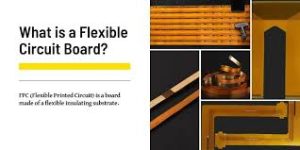
How do you ensure reliability in fpc circuit board assemblies?
While the design process for a flex circuit can be more challenging than that of a rigid PCB, it is possible to achieve reliable results with proper planning and testing. The key is to understand the stresses that a design is likely to encounter in its intended environment and to identify potential failure modes. Then, the engineer can take steps to mitigate these problems during assembly.
Using FPCs can improve product reliability by allowing manufacturers to avoid connecting cables to terminals, which can result in short circuits and oxidation. This technique can save time and money, reduce production defects, and help manufacturers produce more functional products.
The manufacturing process for FPCs is much different than that for rigid PCBs. Rigid PCBs have a layer of solder mask with gaps that expose the SMT pads or PTH holes for component attachment. FPCs, on the other hand, use a cover coat rather than a solder mask to prevent contaminants from reaching the conductive traces and making connections to them. This can lead to a substantial reliability improvement.
Another way to improve reliability in fpc circuit boards is to use high-quality materials for the copper and insulating layers. This will ensure that they are resistant to corrosion and oxidation, which can decrease their life expectancy. Additionally, it is important to use a reputable manufacturer that has good experience producing high-quality products for demanding applications. A quality manufacturer will be able to guarantee a consistent production level across all locations, which is essential for achieving reliability in FPCs. This is especially critical for the most difficult applications, such as wearable electronics or avionics, where failure could be dangerous. For these applications, it is vital to use a trusted partner that offers a warranty on all their products.