
Can Rigid Flex Be Used in RF/Microwave Applications?
Rigid Flex Be Used in RF/Microwave
In high-performance applications, PCBs must be able to perform under stress. Rigid flex provides the reliability and durability required for these applications, as well as the ability to fold or twist to fit into small spaces. This combination makes rigid flex ideal for applications like aerospace systems, medical imaging equipment, military missile guidance systems, and wearable electronics.
These circuit boards use a layer stack that includes a rigid core, copper conductors, and a flex section. The flexible sections can be a single or multi-layer, depending on the design. The flex section is attached to the core by a conductive epoxy or polyimide, which also acts as the dielectric and insulator for the circuit. The copper traces on the surface are then plated with gold, which is then coated with a solderable finish. This finish helps to protect the copper from oxidation and allows for the conductors to be soldered.
Rigid flex is often used for RF/microwave applications because it allows the circuits to bend and flex, allowing them to transmit high-frequency signals. It also allows for multiple components to be mounted on a board, which helps with space savings and weight reduction. In addition, rigid flex is able to handle high-current and high-speed signals better than traditional rigid PCBs.
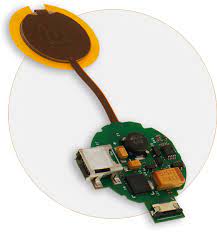
Can Rigid Flex Be Used in RF/Microwave Applications?
Another advantage of rigid flex is that it can withstand vibration. Vibration creates mechanical stress that can damage a circuit, leading to interconnect failure or signal integrity issues. Rigid flex can be designed to resist this damage through specific engineering and manufacturing practices, including reinforcement of the flex sections or using a stiffener in the rigid-flex sections. These designs must also be carefully reviewed and tested by a mechanical engineer to ensure they meet the requirements of the application.
Rigid-flex circuits also help to streamline the assembly process by eliminating the need for extra connectors and cables to connect all the components together. This can speed up production and lower costs, making it more economical for manufacturers to produce these types of devices. They can also be more aesthetically pleasing, which is important in consumer-facing products. Rigid flex is widely used in laptop computers, smartphones, and other smart devices to enable them to bend or fold for improved functionality.
For example, the hinge in a laptop is a rigid-flex circuit that provides the strength needed to operate the screen and keyboard. It also makes the device lighter, so it can be carried around with ease and transported safely. This flexibility and streamlined assembly process makes rigid-flex circuits an excellent choice for aerospace and medical applications, as well as wearable electronics. To get started designing your new rigid-flex PCB, you’ll need to select the right layout software. Look for a platform that offers the tools you need to take your design from concept to production, such as Altium Designer. This software combines all the features you need to make a successful rigid-flex circuit board into one integrated package, so you can be confident your final product will work as intended.