
Can Pcb productions support IoT devices?
Pcb productions support IoT devices
The Internet of Things (IoT) has revolutionized the way we interact with technology, connecting everyday objects to the internet and enabling them to send and receive data. From smart home devices to industrial automation systems, IoT applications are rapidly expanding. A crucial component of IoT devices is the printed circuit board (PCB), which serves as the foundation for electronic components and facilitates communication between devices. In this article, we explore how pcb production can support IoT devices and the challenges and considerations involved in designing PCBs for IoT applications.
PCBs are essential in nearly every electronic device, and this is especially true for IoT devices. A PCB provides the structural platform on which components like sensors, microcontrollers, power management units, and communication modules are mounted. In IoT applications, the PCB connects these components and ensures they work together to collect, process, and transmit data. Without a reliable PCB, the functionality and performance of an IoT device would be compromised.
The unique demands of IoT devices require specialized PCBs that can support both low power consumption and reliable performance under various conditions. Whether it’s a smart thermostat, wearable device, or industrial sensor, the PCB must be able to integrate all necessary components efficiently, ensuring the device operates seamlessly and communicates effectively within the IoT ecosystem.
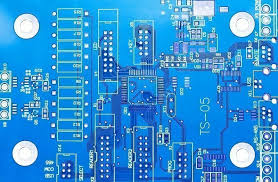
Can Pcb productions support IoT devices?
One of the key challenges in PCB production for IoT devices is minimizing power consumption. Many IoT devices, especially wearables and remote sensors, need to operate on battery power for extended periods. This requires PCBs to be designed with energy efficiency in mind. Low-power microcontrollers, energy-efficient communication modules (such as Bluetooth Low Energy or Zigbee), and power management circuits are commonly used in IoT PCB designs to reduce power consumption.
Moreover, IoT devices tend to be small and compact, which means PCB production must support miniaturization without compromising performance. Designers use advanced techniques in PCB manufacturing to reduce board size while still integrating the necessary components. This includes techniques such as multi-layer PCBs, component stacking, and the use of small, high-density components to ensure that the board fits within the limited space of IoT devices.
Another critical factor in PCB production for IoT devices is ensuring proper communication and connectivity. IoT devices often need to communicate with each other or with a central hub, such as a smartphone or cloud server. This requires reliable wireless communication technologies like Wi-Fi, Bluetooth, Zigbee, or cellular connectivity, all of which are integrated into the PCB during production.
For example, a smart home device may rely on Wi-Fi or Bluetooth for communication with other IoT-enabled appliances. A wearable device might use low-power communication protocols like Bluetooth Low Energy (BLE) to connect to a smartphone. In both cases, the PCB must be designed to include the necessary wireless communication modules and antennas to enable reliable data transfer. These modules must also be carefully placed on the PCB to avoid interference and optimize signal strength.
IoT devices are often deployed in diverse environments, which means their PCBs must be able to withstand various environmental conditions such as temperature fluctuations, humidity, dust, and vibrations. In PCB production for IoT devices, manufacturers must consider the environmental factors the device will be exposed to and ensure the PCB is robust enough to handle these conditions.
For instance, IoT sensors deployed in outdoor environments may require PCBs that can tolerate high temperatures or exposure to moisture. To ensure durability, manufacturers may use conformal coatings to protect the PCB from environmental factors, or opt for rigid-flex PCBs that offer added flexibility and resistance to mechanical stress. This consideration is essential for ensuring the longevity and reliability of IoT devices.
While the functionality and performance of IoT devices are paramount, cost is also a crucial factor in PCB production. IoT devices are often mass-produced, and keeping production costs low is essential to ensure competitive pricing. In PCB production, this means balancing quality with cost-efficiency by selecting cost-effective materials, using streamlined manufacturing processes, and optimizing the design to minimize waste and complexity.
For instance, manufacturers might use standard components that are readily available and inexpensive, rather than custom parts, to reduce costs. Additionally, designing for manufacturability (DFM) is an important consideration, as it ensures that the PCB can be produced efficiently and at a lower cost without compromising on quality. However, cost must never outweigh the reliability and functionality of the final product, especially in critical IoT applications like healthcare or industrial systems.