
Can PCB Boards Withstand High Temperatures?
PCB Boards Withstand High Temperatures
PCB boards are sensitive to high temperatures, as they can cause them to become degraded or stop functioning. Whether they can withstand these temperatures depends on the materials and components used in the board, as well as how the circuits are designed. Some specialized industries, such as aerospace and defence, require PCBs to be able to handle extreme temperatures.
A standard PCB can withstand 130-140°C for short periods of time, but this can damage the board or cause it to fail. To prevent this from happening, manufacturers can use heat sinks with the circuits to absorb excessive heat that may otherwise burn out the circuit or the board. Another way to protect the board against overheating is by using low-cost FR-4 PCBs, which have a lower glass transition temperature than standard FR-2 laminates.
When the copper layer of a PCB is heated, it generates electromagnetic waves. These waves can cause the underlying dielectric layers to expand and contract, and this can affect the performance of the circuit. This can also result in a breakdown of the solder joints that connect components to the board. To avoid this, it is important to choose a board that has a lower coefficient of thermal expansion (CTE).
The most common substrate in PCBs is FR-4, which has a glass transition temperature of about 170°C. It is possible to create a high-temperature PCB using this material, but engineers need to be careful to make sure the temperature limits aren’t exceeded. They can also use a higher CTE material to prevent the board from overheating, but this could compromise the electrical performance of the circuit.
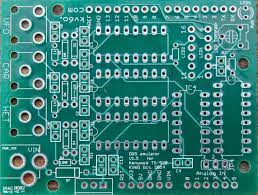
Can PCB Boards Withstand High Temperatures?
Other substrates, such as FR-4 and polyimide, can handle higher temperatures than standard FR-2 laminates, but these are not appropriate for all applications. They may be sensitive to chemicals or other environmental factors, which can impact their performance at elevated temperatures. In addition, they can smear easily during drilling, making them less reliable for high-temperature use.
When choosing a high-temperature pcb board, engineers must also consider the specific applications for the board. Different industries require different levels of reliability and functionality, and these can be impacted by the ambient temperature in which the board will be operating. For example, mobile, microwave, and radio frequency circuits need more power than standard PCBs, so they generate more heat. This can lead to overheating if the board is not properly ventilated, but it is possible to use a thermal camera or temperature probe to check the surface temperature of the PCB and its components and take measures accordingly.
A good quality manufacturing process can also help to increase a circuit board’s heat tolerance. With precise layer alignment and controlled material properties, a well-made PCB can be more resilient to high temperatures than one that is poorly manufactured. The type of metal used in the board’s construction can also influence its heat tolerance. Choosing metals with high thermal conductivity helps to transfer the heat away from the circuits more quickly.