
Can hdi printed circuit board be used in medical devices?
printed circuit board be used in medical devices
In the realm of healthcare technology, innovation plays a pivotal role in improving patient care, enhancing diagnostics, and advancing treatment modalities. High-Density Interconnect (HDI) printed circuit boards (PCBs) have emerged as a vital component in the design and development of medical devices, offering a myriad of benefits ranging from compact form factors to enhanced performance and reliability.
The compact size and high wiring density of HDI PCBs make them particularly well-suited for integration into medical devices where space constraints are paramount. Whether it’s wearable monitors, implantable devices, or handheld diagnostic tools, HDI PCBs enable designers to miniaturize electronic components without compromising functionality or performance. This miniaturization not only enhances the portability and usability of medical devices but also allows for more discreet and comfortable patient experiences.
Furthermore, the advanced interconnection technologies utilized in hdi printed circuit board, such as microvias and buried vias, facilitate the integration of complex electronic functionalities into a single compact platform. Medical devices often require sophisticated sensor arrays, signal processing circuitry, and wireless communication modules, all of which can be seamlessly integrated and interconnected within the layers of an HDI PCB. This integration streamlines the device architecture, reduces interconnect complexity, and improves overall system reliability.
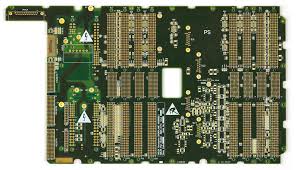
Can hdi printed circuit board be used in medical devices?
The high-performance characteristics of HDI PCBs make them well-suited for applications demanding precision, accuracy, and reliability, all of which are critical in medical device development. Whether it’s monitoring vital signs, delivering therapeutic treatments, or performing diagnostic tests, medical devices must operate with precision and consistency to ensure patient safety and efficacy. HDI PCBs offer enhanced signal integrity, reduced electromagnetic interference (EMI), and improved thermal management, all of which contribute to the reliable performance of medical devices in diverse clinical settings.
Moreover, the stringent regulatory requirements governing medical device design and manufacturing necessitate the use of reliable and high-quality components, including PCBs. HDI PCBs, manufactured using advanced processes and materials compliant with industry standards and regulations, offer the reliability and performance necessary to meet regulatory requirements and obtain certifications such as ISO 13485 and FDA clearance. This ensures that medical devices incorporating HDI PCBs undergo rigorous testing and validation to guarantee safety and efficacy for patient use.
In addition to their performance and reliability, HDI PCBs offer advantages in terms of cost-effectiveness and scalability, making them an attractive choice for medical device manufacturers. The scalable nature of HDI PCB fabrication enables efficient production of high-quality PCBs in large volumes, reducing manufacturing costs and lead times. Furthermore, the ability to integrate multiple functionalities into a single HDI PCB eliminates the need for additional components and assembly processes, further reducing overall device costs and complexity.
The versatility of HDI PCBs extends beyond traditional medical devices to encompass emerging areas of healthcare technology, such as telemedicine, remote monitoring, and personalized medicine. With the increasing adoption of connected health solutions and digital health platforms, HDI PCBs play a crucial role in enabling real-time data acquisition, transmission, and analysis, empowering healthcare providers to deliver personalized and proactive care to patients.
In conclusion, High-Density Interconnect (HDI) printed circuit boards (PCBs) offer a compelling solution for the design and development of medical devices across a wide range of applications. From wearable monitors to implantable devices and diagnostic tools, HDI PCBs enable miniaturization, integration, and performance optimization essential for delivering safe, reliable, and effective healthcare solutions. As healthcare technology continues to evolve, HDI PCBs will remain a cornerstone of innovation, driving advancements in patient care, diagnostics, and treatment modalities.