
Can flexible printed circuits withstand harsh environmental conditions?
flexible printed circuits
The harsh environment is a difficult place for any circuit board to survive. A PCB can be damaged by extreme temperatures, humidity, moisture, or mechanical stress. PCBs are designed with a variety of resistant materials to help them withstand these conditions and remain functional. These boards are used for various electronics, including mobile devices, computers, automobiles, and aircraft. They are often exposed to environmental conditions such as high and low temperature fluctuations, high levels of electromagnetic interference, and vibrations.
A flex circuit is an alternative to traditional wiring methods and provides a cost-efficient way to connect multiple components within the device. It is able to handle a wide range of conditions and has a much lower weight than other electronic assemblies. The flexibility of a flex circuit also helps to reduce vibration and shock absorption.
Unlike rigid PCBs, a flexible printed circuits can be bent and shaped to accommodate the device’s size and shape. This makes it a perfect choice for use in many different applications. They are also much smaller than traditional rigid PCBs, which allows them to fit in tight spaces and areas where space is limited.
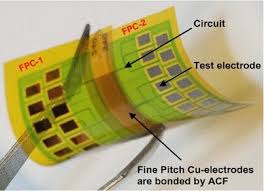
Can flexible printed circuits withstand harsh environmental conditions?
The key to the durability of a flex circuit is its base material. It’s the flexible polymer film that provides most of the circuit’s primary physical and electrical properties. Some manufacturers offer a variety of insulating materials including polyimide and polyester (Polyethylene terephthalene or FR-4).
These film materials are nonflammable, geometically stable, have high tear strength, and can withstand welding temperatures. They can also be resistant to abrasion, water, chemicals, and corrosion. They are usually coated with a layer of solder mask and are available in a wide range of thicknesses.
Conductors on a flex circuit are typically made from copper foil. A large number of metals can be used for this purpose, but copper offers an excellent balance between cost and performance. Flex circuits with several layers of conductors are called multilayer flex circuits. A flex circuit’s outermost surface is normally laminated with a thick dielectric stiffener. This helps to maintain the rigidity of the circuit and protect it from damage during operation. The stiffener may be made from a variety of materials, such as epoxy, acrylic, or PSAs (Pressure Sensitive Adhesives).
Another protective measure is to prevent contamination by dust and other contaminants. The presence of dust in a circuit can prevent it from dissipating heat properly and cause thermal stresses that can lead to the failure of the device. Dust can also collect in the holes and lead to bridging between conductors. This will interfere with the flow of current and cause a short circuit. Chemical exposure can also harm a flex circuit. For example, if the device is stored with cleaning supplies that contain harsh chemicals, the resulting fumes can corrode it over time.
To ensure a flex circuit can endure harsh environments, it’s important to properly terminate the ends of the circuit. IPC recommends using tangential curved corners with radii greater than 1.5 mm to avoid the risk of tearing the substrate material. In addition, the pads on a flex circuit should be supported by plating, anchoring stubs, and reduced coverlay access openings to reduce stress in those areas when bending occurs.