
Can Flexible PCB Manufacturers Handle Quick-Turn Orders?
Flexible PCB Manufacturers Handle Quick-Turn Orders
The answer to this question is more complicated than “yes.” While quick-turn PCBs offer tremendous value for companies launching new products and shortening their time to market, it’s important that manufacturers weigh the pros and cons of working with these services before deciding if they are right for their needs. The key to a successful project is to find a partner who can provide fast turnarounds without sacrificing quality.
A good manufacturer will optimize your design for manufacturability by following DFM guidelines. This will minimize errors during production that can add to costs and delay delivery. This includes component placement, trace routing, and via type selection, as well as adhering to standard board sizes when possible. The use of common materials like FR4, 1 oz copper, and HASL and ENIG finishes will also speed up production times.
Another critical factor to consider is the manufacturer’s capability to handle the complexity of your design. Most quick-turn services will focus on simpler designs, and some may not be able to support complex boards with high layer counts or tight tolerances. The manufacturer should be able to explain their capabilities to you before submitting your order.
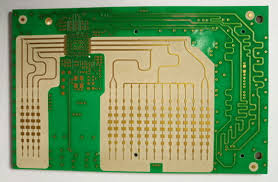
Unlike rigid PCBs, flexible circuits must be designed to support expansion and contraction, and adhere to smaller design rules. They also require more intricate routing due to their larger trace widths and spacing. These factors can increase the manufacturing cost and lead time for flex circuits. The production process requires a large amount of handling equipment to move the panels between each step. This can lead to inconsistencies from one batch to the next.
Can Flexible PCB Manufacturers Handle Quick-Turn Orders?
In addition to the standard etch and rinse processes, flex circuits require surface treatment and a thermal cure to ensure a stable platform for assembly. This is especially important for rigid flex designs where the layers of FR4 are joined together and may not be as smooth.
A final step is the application of solder mask to protect the traces and pads from corrosion during the soldering process. This can be an adhesive-based or photo-imageable process, depending on your design. The coverlay can also serve as a rigidization film to stiffen flex sections where needed.
When choosing a flex PCB supplier for your quick-turn orders, consider their capacity, capabilities, and price transparency. A detailed cost breakdown from the factory and a list of any extra fees or charges will help you avoid unforeseen budget overruns. They should also be able to communicate in a timely manner and provide quotations with the requested information included. This will save you valuable time in negotiating your order.
A flexible pcb manufacturer is a company or facility that specializes in the production of flexible printed circuit boards. These manufacturers design, fabricate, and assemble flexible PCBs based on customer requirements and product specifications. The process of manufacturing flexible PCBs is more complex than traditional rigid PCBs due to the unique materials, specialized equipment, and precise techniques required.