
Can an electronics assembly be used in consumer appliances?
Can an electronics assembly be used
In the realm of consumer appliances, the role of electronics assembly has undergone a profound transformation, paving the way for innovative functionalities and enhanced user experiences. Gone are the days when appliances merely performed basic functions; today, they are infused with sophisticated electronic components that augment their capabilities. The question arises: Can an electronics assembly truly be utilized in consumer appliances? Let’s delve into this query to uncover the dynamic landscape of modern appliance technology.
Firstly, it’s crucial to recognize the symbiotic relationship between electronics assembly and consumer appliances. Electronics assembly encompasses the process of manufacturing electronic components and integrating them into a coherent system. In consumer appliances, this integration enables a myriad of features, ranging from digital displays and touch-sensitive controls to advanced sensors and smart connectivity. Therefore, the answer to whether electronics assembly can be employed in consumer appliances is a resounding yes, as it forms the very backbone of their functionality.
One of the primary advantages of incorporating electronics assembly into consumer appliances is the potential for automation and optimization. Through the precise assembly of electronic components, appliances can achieve higher levels of efficiency, reliability, and performance. For instance, advanced control systems powered by electronics assembly can regulate temperature, manage energy consumption, and even anticipate user preferences, leading to a seamless and intuitive user experience.
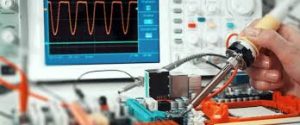
Can an electronics assembly be used in consumer appliances?
Moreover, electronics assembly facilitates the integration of cutting-edge technologies into consumer appliances, driving innovation within the industry. From IoT (Internet of Things) connectivity and artificial intelligence to machine learning algorithms and augmented reality, the possibilities are limitless. These technologies not only enhance the functionality of appliances but also open doors to new functionalities and services, such as remote monitoring, predictive maintenance, and personalized recommendations.
Furthermore, the adoption of electronics assembly in consumer appliances aligns with the growing demand for smart, interconnected devices in the era of the Internet of Things (IoT). By leveraging electronics assembly, appliances can communicate with other smart devices, enabling seamless integration into smart home ecosystems. This connectivity fosters convenience, energy efficiency, and interoperability, ultimately enhancing the overall quality of life for consumers.
However, it’s essential to acknowledge the challenges associated with integrating electronics assembly into consumer appliances. One notable concern is the need for robust cybersecurity measures to safeguard against potential vulnerabilities in connected appliances. As appliances become increasingly interconnected, they become potential targets for cyberattacks, emphasizing the importance of prioritizing security in the design and implementation of electronics assembly.
Additionally, the integration of electronics assembly may introduce complexities related to maintenance and repair, as specialized knowledge and equipment may be required to diagnose and address electronic issues. However, advancements in modular design and diagnostic technologies are mitigating these challenges, making appliances more serviceable and extending their lifespan.
In conclusion, the utilization of electronics assembly in consumer appliances is not only feasible but essential for driving innovation, enhancing functionality, and meeting the evolving needs of consumers. By embracing electronics assembly, appliance manufacturers can deliver products that are smarter, more efficient, and more interconnected than ever before. As we continue to push the boundaries of technology, the integration of electronics assembly will undoubtedly remain at the forefront of the consumer appliance industry, shaping the future of home automation and connectivity.