
Are there any specialized techniques used in assembling electronic assembly near me?
techniques used in assembling electronic assembly near me
In the world of electronics manufacturing, specialized techniques are indeed employed in the assembly of electronic assemblies near you. These techniques encompass a wide range of processes and methodologies designed to optimize efficiency, enhance quality, and ensure the reliability of electronic devices. From surface mount technology (SMT) to advanced soldering techniques and automated assembly processes, these specialized techniques play a crucial role in shaping the modern landscape of electronics manufacturing.
One of the most widely used specialized techniques in electronic assembly is surface mount technology (SMT), which revolutionized the industry by enabling the assembly of electronic components directly onto the surface of the printed circuit board (PCB). Unlike traditional through-hole technology, where components are inserted into holes drilled through the PCB and soldered on the opposite side, SMT components are soldered directly onto the surface of the board using solder paste and reflow soldering techniques. This allows for higher component densities, smaller form factors, and improved electrical performance, making SMT the preferred choice for modern electronic assemblies.
Another specialized technique used in electronic assembly near me is advanced soldering techniques, which are essential for creating reliable electrical connections between components and the PCB. This includes techniques such as reflow soldering, wave soldering, and selective soldering, each suited for different types of components and assembly processes. Reflow soldering, for example, involves heating solder paste to melt it and create electrical connections between components and the PCB, while wave soldering uses a wave of molten solder to solder through-hole components in bulk. Selective soldering, on the other hand, allows for precise soldering of specific components without affecting nearby parts, making it ideal for assemblies with mixed technologies.
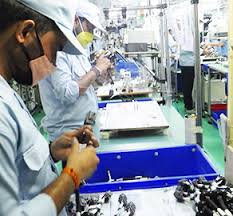
Are there any specialized techniques used in assembling electronic assembly near me?
Automated assembly processes are also commonly used in electronic assembly to improve efficiency and consistency while reducing labor costs and human error. These processes utilize robotic equipment, pick-and-place machines, and automated inspection systems to handle component placement, soldering, and quality control tasks with high precision and speed. Automated assembly not only accelerates the production process but also ensures uniformity and repeatability of assembly results, leading to higher quality and reliability of electronic devices.
In addition to SMT, advanced soldering techniques, and automated assembly processes, there are several other specialized techniques used in electronic assembly to address specific challenges and requirements. For example, conformal coating is applied to PCBs to protect them from environmental factors such as moisture, dust, and chemicals, while underfill is used to reinforce the mechanical stability of components and prevent damage from thermal cycling. Wire bonding is another specialized technique used to create electrical connections between semiconductor chips and lead frames or interconnects, commonly used in integrated circuits (ICs) and semiconductor devices.
Furthermore, specialized techniques such as 3D printing, laser cutting, and additive manufacturing are increasingly being integrated into electronic assembly processes to enable rapid prototyping, customizations, and on-demand manufacturing. These techniques offer flexibility, scalability, and cost-effectiveness, allowing manufacturers to adapt quickly to changing market demands and technological advancements.
In conclusion, specialized techniques play a vital role in the assembly of electronic assemblies near you, enabling manufacturers to achieve high efficiency, quality, and reliability in the production of electronic devices. From surface mount technology (SMT) and advanced soldering techniques to automated assembly processes and emerging technologies like 3D printing, these techniques continue to drive innovation and shape the future of electronics manufacturing. By leveraging these specialized techniques, manufacturers can meet the evolving needs of customers and deliver electronic assemblies that are at the forefront of technology and performance.